Frog Font: A Bold Display Type
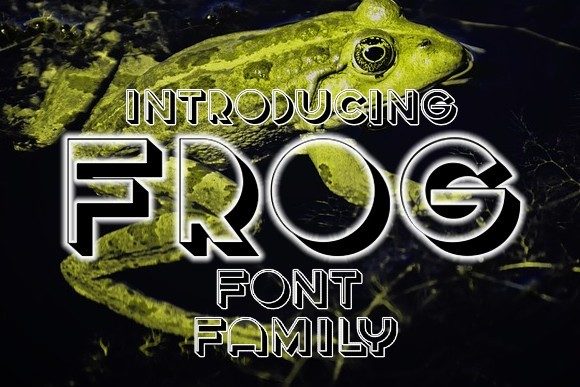
Frog is a 3D display font that brings a dynamic visual presence to any design project. Its unique structure and depth make it ideal for editorial work where impact and clarity matter. Whether you're designing a magazine cover or crafting a headline for a blog post, Frog offers a fresh and modern approach to typography.
With its three-dimensional appearance, Frog adds a sense of movement and dimensionality that can elevate the aesthetic of your content. The font's bold strokes and subtle curves give it a playful yet sophisticated personality, making it versatile enough for both creative and professional settings.
For editorial designers, Frog provides an excellent tool for creating engaging layouts. Its strong visual identity helps establish a clear hierarchy, drawing attention to key elements like headlines, subheadings, and pull quotes. This makes it particularly useful in publications where visual interest and readability are essential.
Using Frog in Editorial Design
In a lifestyle blog, Frog can be used as a header font to create a striking first impression. Its boldness ensures that each post stands out, while its readability maintains a clean and professional look. For recipe ebooks, Frog can serve as a title font, adding a touch of creativity without compromising legibility.
Wedding guides benefit from Frog’s ability to convey elegance and excitement. Using it for chapter openers or section headings gives the publication a cohesive and visually appealing structure. Similarly, coaching workbooks can use Frog for lead magnets or worksheets, making the content more engaging and memorable.
Frog also works well in digital magazines, where its 3D effect can add a layer of sophistication to cover designs and article titles. In printable planners, it can be used for section labels or motivational quotes, enhancing the user experience with a personalized touch.
Supporting Visual Hierarchy and Brand Identity
One of the key strengths of Frog is its ability to support visual hierarchy. Its bold and distinctive style makes it perfect for titles, headings, and accent typography. When paired with a readable serif or sans serif font, it creates a balanced layout that guides the reader through the content effectively.
For content branding, Frog can help establish a consistent and recognizable identity across different platforms. Whether it's a newsletter, social media graphic, or packaging design, using Frog consistently reinforces brand recognition and professionalism.
When considering readability, Frog performs well on screen and in print. Its clear letterforms ensure that text remains legible even at smaller sizes. For mobile layouts, the font maintains its visual appeal without overwhelming the user interface. In PDF exports, Frog retains its sharpness and detail, making it suitable for both digital and physical formats.
Font Pairing and Design Considerations
Pairing Frog with other fonts can enhance the overall design of a publication. A classic serif font like Georgia or Times New Roman can provide a contrast that complements Frog’s modern style. For captions and navigation, a clean sans serif font such as Arial or Helvetica can offer a neutral and readable counterpoint.
Designers should also consider the available styles and weights of Frog. If the font includes alternates, ligatures, or multiple weights, these can be used to add variety and depth to the design. Checking multilingual support is also important for international publications or content targeting diverse audiences.
Commercial licensing is an essential consideration when using Frog in published materials. Ensure that the font license covers the intended use, whether it's for ebooks, templates, printables, paid newsletters, client projects, or digital downloads. This protects both the designer and the end user from potential legal issues.
Practical Applications for Content Creators
Content creators can leverage Frog in a variety of ways. For a creator newsletter, using Frog for the subject line or header can capture attention and reinforce brand identity. In a printable worksheet, it can be used for instructions or key points, making the content more engaging and visually appealing.
For course creators, Frog can be used in lesson titles or promotional graphics, helping to distinguish their offerings in a competitive market. In packaging design, it can add a unique and eye-catching element that sets the product apart from others.
Whether used in web design, social media graphics, or editorial spreads, Frog offers a powerful and flexible solution for content creators looking to enhance their visual storytelling. Its combination of style, readability, and versatility makes it a valuable addition to any design toolkit.
By incorporating Frog into your design workflow, you can create content that not only looks great but also resonates with your audience. Its ability to blend creativity with functionality ensures that it remains a relevant and effective choice for a wide range of publishing needs.